
How to Get a Royal Mail Click & Drop API Label
A step-by-step guide to creating your first label via the Royal Mail Click & Drop API, including OBA setup, auth, and manifest pitfalls.

A step-by-step guide to creating your first label via the Royal Mail Click & Drop API, including OBA setup, auth, and manifest pitfalls.
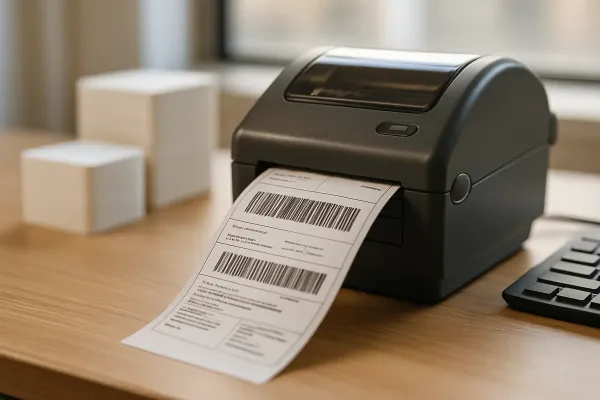
ProShip vs ShippyPro compared on API access, deployment model, rate limits, and EU carrier depth — with a scoped verdict for enterprise shippers.

We compared production API access timelines for 10 carriers and platforms, from instant self-serve keys to multi-day manual approval, as of Sept 2026.

How to add M-PID, NS-PID and S-PID fields to UPS, FedEx and DHL shipment APIs before the EU's Nov 1, 2026 PID deadline.

We test Manhattan Active and Blue Yonder on public API docs, sandbox access, and integration tooling so architects can scope TMS build effort early.
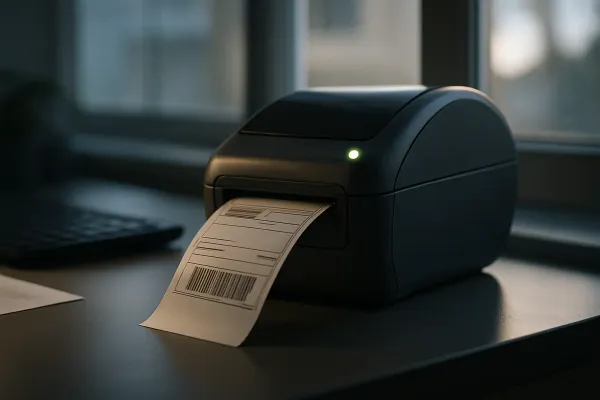
We measured OAuth access-token lifetimes for FedEx, UPS, DHL, and USPS carrier APIs — from 28 minutes to 8 hours — with sources and dates.
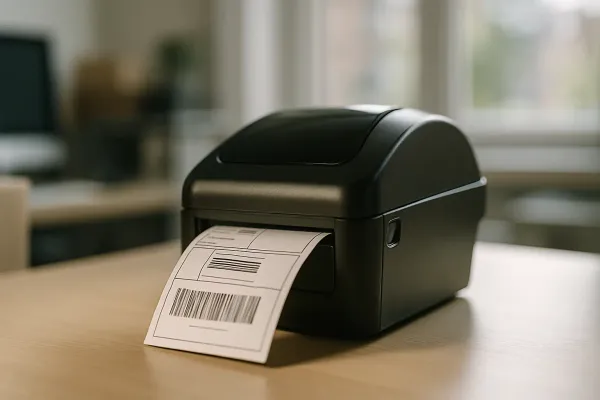
Step-by-step InPost API integration: get an OAuth 2.1 sandbox token, query locker locations, create a shipment, and generate your first label.

We test how MercuryGate and Descartes expose carrier connectivity to integrators — docs, auth, protocols — and say which fits direct API builds.

We audited official SDK languages, maintenance activity, and open issues across 12 carrier APIs as of Sept 2026, with sources for every figure.

How to generate DPD return labels via API using the -RETURN parcel_type field, bearer-token auth, and rate limits — with a working failure case.
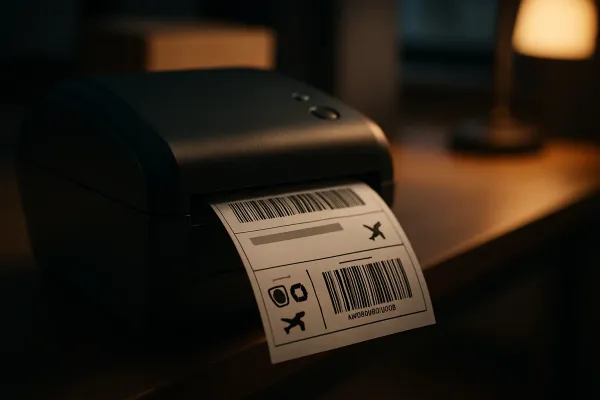
EasyPost vs Shippo tested for EU cross-border shipping: carrier coverage, customs docs, sandbox behavior, and 2026 pricing, with a scoped verdict.
We audited published webhook retry policies for FedEx, DHL, EasyPost, Shippo, ShipEngine, and Sendcloud, with intervals, attempt counts, and sources.

GLS API sandbox
Step-by-step guide to GLS parcel API sandbox setup: get MyGLS credentials, call CreateLabel, and generate your first test label.
AfterShip vs ClickPost
AfterShip vs ClickPost compared on EU carrier coverage, webhook retry design, and pricing transparency, with a verdict for European integration teams.

carrier API rate limits
Published carrier API rate limits for FedEx, DHL, UPS, ShipEngine, Shippo, Easyship and EasyPost, sourced from vendor docs as of August 2026.
carrier webhook signature verification
Verify webhook signatures from EasyPost, Shippo, and DHL step by step, with HMAC code, exact header names, and the raw-body bug that breaks it.
EasyPost vs ShipEngine
EasyPost vs ShipEngine compared on connecting your own GLS, DPD, and DHL contracts: rate limits, sandbox fidelity, webhooks, and pricing.

carrier API uptime
Published SLA terms vs. logged incident data for 8 carrier/multi-carrier APIs, sourced from status pages, as of August 2026.
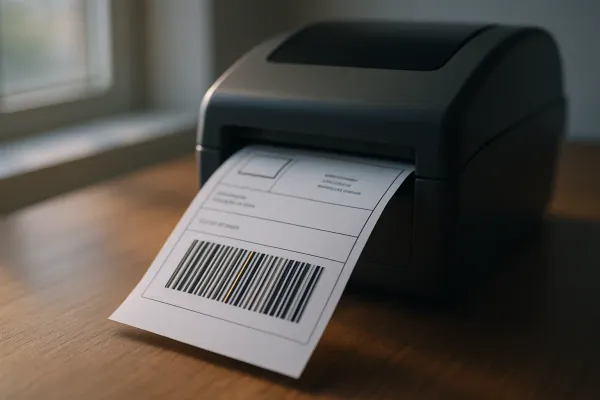
Sendcloud vs nShift API
We test Sendcloud vs nShift APIs on auth, docs, sandbox, and rate limits to pick the right EU multi-carrier integration for engineers.

multi-carrier API
We pulled self-reported carrier counts from 11 multi-carrier APIs and TMS platforms as of July 2026, sourced page by page, with the gaps flagged.
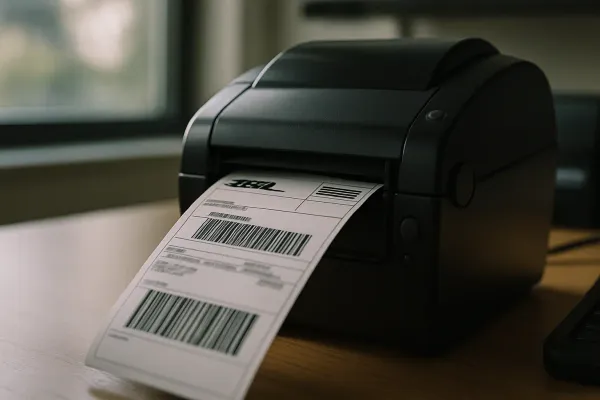
DHL Parcel DE Shipping API migration
Step-by-step migration from DHL's retired SOAP v3 shipping API to the REST Parcel DE Shipping API V2, with OAuth2 setup and rollback checks.
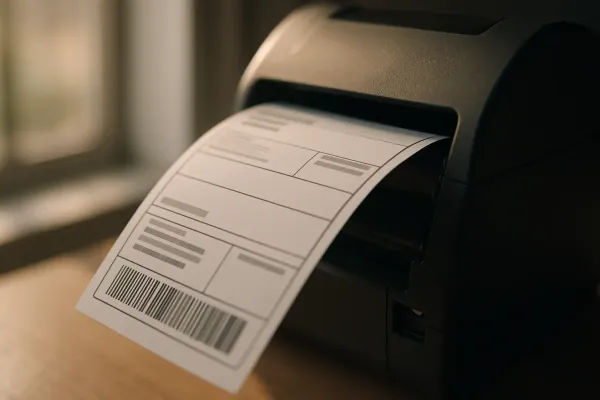
carrier API pricing
Verified July 2026 pricing for EasyPost, Shippo, ShipEngine, Sendcloud, Easyship and more — per-label fees, overage costs, and hidden charges compared.
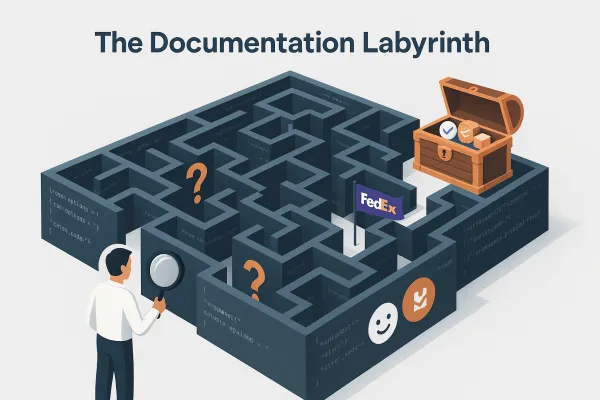
Poor documentation across carriers introducing new APIs, adjusting label requirements, refining rules, and tightening documentation specifications at a rapid pace with little notice isn't just an integration nuisance anymore. When FedEx, UPS, and DHL update their APIs every few months while regional carriers struggle with basic endpoint descriptions,